Scroll through the Instagram feed of a typical Print-on-Demand (POD) or dropshipping store, and you will see the exact same thing every time.
A grid filled with 100 flat-lay t-shirts on stark white backgrounds. Every caption reads something like: ”🔥 NEW ARRIVAL! Get 20% off with code SUMMER20. Link in bio! 🔥”
It is exhausting. It feels like walking through a loud, fluorescent-lit discount store. When I first launched my brand, my Instagram looked exactly like this. I treated my grid like a digital catalog. I assumed that if someone followed me, they wanted to see pictures of my inventory.
But my engagement was completely dead. Nobody was liking the photos. Nobody was saving them. And worse, the few people who did buy were only doing it because I offered a massive discount.
That is when I realized a fundamental truth about social media marketing for premium brands: People do not open Instagram to look at catalogs. They open it to be inspired.
The Gallery Mindset
Think about your favorite high-end indie brand or boutique coffee roaster. Go look at their Instagram grid.
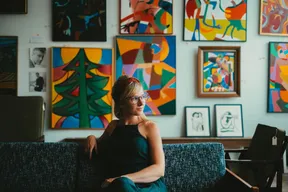
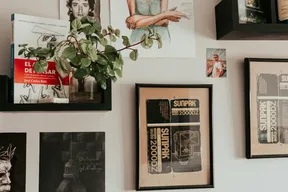
You won’t see non-stop product shots. You will see a beautiful photo of light filtering through a window, a close-up of texture, a vintage car, a short quote, and maybe—maybe—a subtle photo of someone wearing their product while reading a book.
Their Instagram is not a catalog; it is an art gallery. It is a moodboard. They are not selling you a physical item; they are selling you a feeling, a lifestyle, and a specific aesthetic. The product just happens to be the souvenir you buy to take a piece of that lifestyle home with you.
Once I adopted the “Gallery Mindset,” I did the unthinkable: I archived 80% of the product photos on my feed.
The 3-to-1 Aesthetic Rule
To stop myself from falling back into the trap of spamming product photos, I created a strict curation system for my studio. I call it the 3-to-1 Rule.
For every one photo I post that clearly features my apparel, I must post three photos that have absolutely nothing to do with selling.
Here is what that looks like in practice:
1. The Mood Shot: A high-quality, film-grain photo of something that fits my brand’s universe. Since my brand is built around a nostalgic, slow-living aesthetic, I might post a photo of a foggy pine forest, a vintage matchbox, or a half-empty cup of black coffee on a wooden desk.
2. The Typography/Quote: A beautifully kerned, minimalist quote on a textured cream background. It isn’t a sales pitch. It’s just a thought, a lyric, or a poem that resonates with my target audience.
3. The Texture/Detail: A macro shot of something tactile. Maybe it’s the worn leather of an old chair, or the woven texture of a vintage rug.
4. The Product (Lifestyle): Finally, I post the apparel. But it is never a flat-lay on a white background. It is a cinematic photo of a person wearing the shirt, but their face might be out of frame, or they are walking away from the camera. The shirt is part of the scene, not the screaming center of attention.
The Psychology of “Selling the Vibe”
When you stop shoving your product down people’s throats, something magical happens.
First, your content becomes “savable.” People started saving my mood shots and typography posts to their own Pinterest boards and Instagram folders. The algorithm recognized this as high-value content and started pushing my page to new, organic audiences.
Second, the perceived value of my brand skyrocketed. When your shirt is placed organically next to beautiful art, architecture, and poetry, the customer’s brain subconsciously associates your $35 t-shirt with high art. It no longer feels like a cheap POD cash-grab; it feels like an exclusive piece of a curated world.
The Hardest Part of Slow Marketing
I will be completely honest: when you switch from screaming “BUY NOW” to posting quiet, aesthetic imagery, your immediate sales might dip for a week or two. It requires immense patience.
You have to accept that you are no longer hunting for impulse buyers. You are building a community.
Stop asking your followers to open their wallets every time you post. Start asking them to feel something. Curate your world, protect your aesthetic, and the right customers will eventually ask you where they can buy the shirt.