Open your personal email inbox right now and look at the “Promotions” tab.
I can guarantee it looks like a digital warzone. “FINAL HOURS!” “HURRY, 50% OFF!” “DON’T MISS OUT!” Every subject line is capitalized. Every email is packed with flashing GIFs, giant red buttons, and fake countdown timers trying to induce panic.
When I first started in e-commerce, I followed the advice of every marketing “guru” on YouTube. I set up Klaviyo, created aggressive abandoned cart sequences, and sent out weekly blast emails begging my list to buy my t-shirts.
And it worked… for about two weeks. Then, my unsubscribe rate skyrocketed. My open rates plummeted to 12%. I had essentially trained my audience to ignore me unless I was offering a massive discount. I was acting like a desperate used car salesman, and it was destroying the premium, artistic vibe I was trying to build.
That is when I completely overhauled my email strategy and embraced what I call Slow Email Marketing. Today, my weekly newsletter sits at a consistent 45% open rate, and it is the single most profitable channel for my studio.
Here is how I sell without ever sounding like I am selling.
The Inbox is a Sacred Space
You have to shift your perspective on what an email address actually is.
When someone gives you their email, they are inviting you into a highly personal space. They are trusting you not to abuse that privilege. If you immediately start screaming at them with neon “BUY NOW” banners, you are violating that trust.
My rule for email marketing is simple: Would I send this email to a close friend on a Sunday morning?
If the answer is no, I delete the draft. I stopped sending “campaigns” and started sending letters. I stripped away the heavy HTML templates, the logos, and the banners. My emails are just plain text, maybe one or two beautiful photos, and a lot of white space.
The “Sunday Morning” Formula
I only send one email a week. I send it on Sunday morning, and it follows a very specific, three-part structure that focuses on value, curation, and absolute subtlety.
1. The Vignette (The Story) I never open an email talking about my products. Instead, I open with a story. It might be a thought about my creative process that week, a mistake I made in the studio, or a reflection on the slow-living philosophy of the brand. I write it in the first person. It is honest, vulnerable, and completely human. I want the reader to feel like they are sitting across the table from me, drinking a cup of coffee.
2. The Curation (The Value) Because my brand is built around a specific aesthetic, I know my customers share similar tastes. So, the middle of the email is purely curated inspiration. I will share a link to a lo-fi Spotify playlist I’ve been designing to, a beautiful architecture book I just bought, or a link to an indie documentary. I am acting as their Art Director, curating the internet for them. This trains them to open my emails because they know they will discover something beautiful, even if they don’t buy anything.
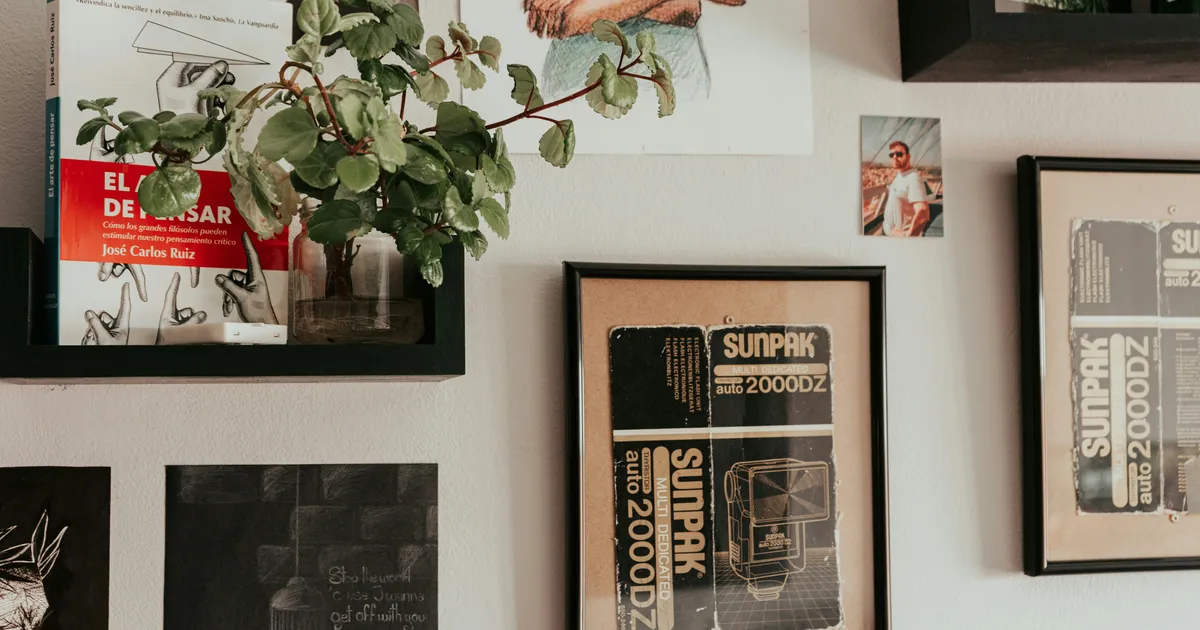
3. The “Oh, By The Way” (The Soft Sell) At the very bottom of the email, almost as an afterthought, I place the pitch. There are no red buttons. Just a simple, hyperlinked sentence. It looks something like this: P.S. If you like the vintage matchbox aesthetic we talked about above, I just translated that into a new heavy-weight tee. You can view the ‘Midnight Cabin’ piece right here in the gallery.
The Magic of the Reply
When you switch to this format, the most incredible thing happens: People start replying.
I regularly wake up on Mondays to dozens of replies from customers. They aren’t asking for customer support; they are replying to the story I told, or thanking me for the Spotify playlist, or telling me they bought the shirt because the inspiration behind it resonated with them.
Every reply signals to Gmail and Apple Mail that you are a real human being, not a spam bot. Your deliverability goes through the roof. You stop landing in the “Promotions” tab and start landing in the “Primary” inbox.
Stop treating your email list like an ATM. They are real people who appreciate good art and good stories. Give them something worth reading, and the sales will naturally follow.